Academic Affairs

Academic Affairs fosters the professional and intellectual growth of students and faculty by offering contemporary curricula that are taught by qualified faculty comprised of lifelong learners who provide a supportive environment that facilitates the achievement of Program Learning Outcomes, Institutional Learning Outcomes, and supports the capacity for lifelong learning. In order to validate this mission, Rhodes State College has implemented a process for measuring student academic achievement.Academic Affairs uses an assessment process for measuring student academic achievement; this assessment process is used to identify opportunities for (1) improving teaching and learning, (2) aiding student retention, and (3) verifying the job preparedness of graduates. The College systematically assesses student learning outcomes in order to improve learning and instruction. Program assessment of learning assures students, employers, and the community that Rhodes State College graduates possess the skills needed to perform competently in the workplace. Assessment of Institutional Learning Outcomes (ILOs) affirms that graduates possess the needed skills and abilities to act as lifelong learners and quality contributors to their communities.Rhodes State College has six Institutional Learning Outcomes (ILOs), which are also the General Education Outcomes for academic programs, that are assessed at the course, program, and institutional levels. The ILOs are: (1) Civic, Professional, and Ethical Responsibility (CPER); (2) Cultural and Diversity Awareness (CDA); (3) Critical Thinking (CT); (4) Effective Communication (EC); (5) Quantitative and Scientific Reasoning (QSR); and (6) Technological Proficiency (TP). Our ability to affect growth is realized only through a systematic and ongoing process of collecting, assessing, and continuously improving teaching and learning.

Institutional Learning Outcomes

Professional and Ethical Responsibility

Graduates will:

  • Exhibit professional skills through activities that support success in one’s career or academic discipline.
  • Practice ethical decision-making to guide personal and/or professional conduct.

Global and Civic Responsibility

Graduates will:

  • Apply integrity-driven behaviors and informed judgment in diverse academic and social contexts.
  • Collaborate respectfully across diverse viewpoints to take informed, responsible action within interconnected communities.

Critical Thinking

Graduates will demonstrate the ability to interpret meaning in decision-making and apply information to engage in innovative problem-solving strategies.

Effective Communication

Graduates will apply knowledge of communication patterns and effectively interpret, use, and adapt various contexts or presentation methods to appropriate audiences.

Quantitative and Scientific Reasoning

Graduates will understand and appropriately apply mathematics and scientific principles and methods.

Technological Proficiency

Graduates will demonstrate the ability to utilize knowledge and skills to effectively incorporate technology into one’s career or academic discipline.

Eric Mason-Guffey, EdD, MSN, RN

Vice President, Academic Affairs
Mason.E@RhodesState.edu
(419) 995-8265
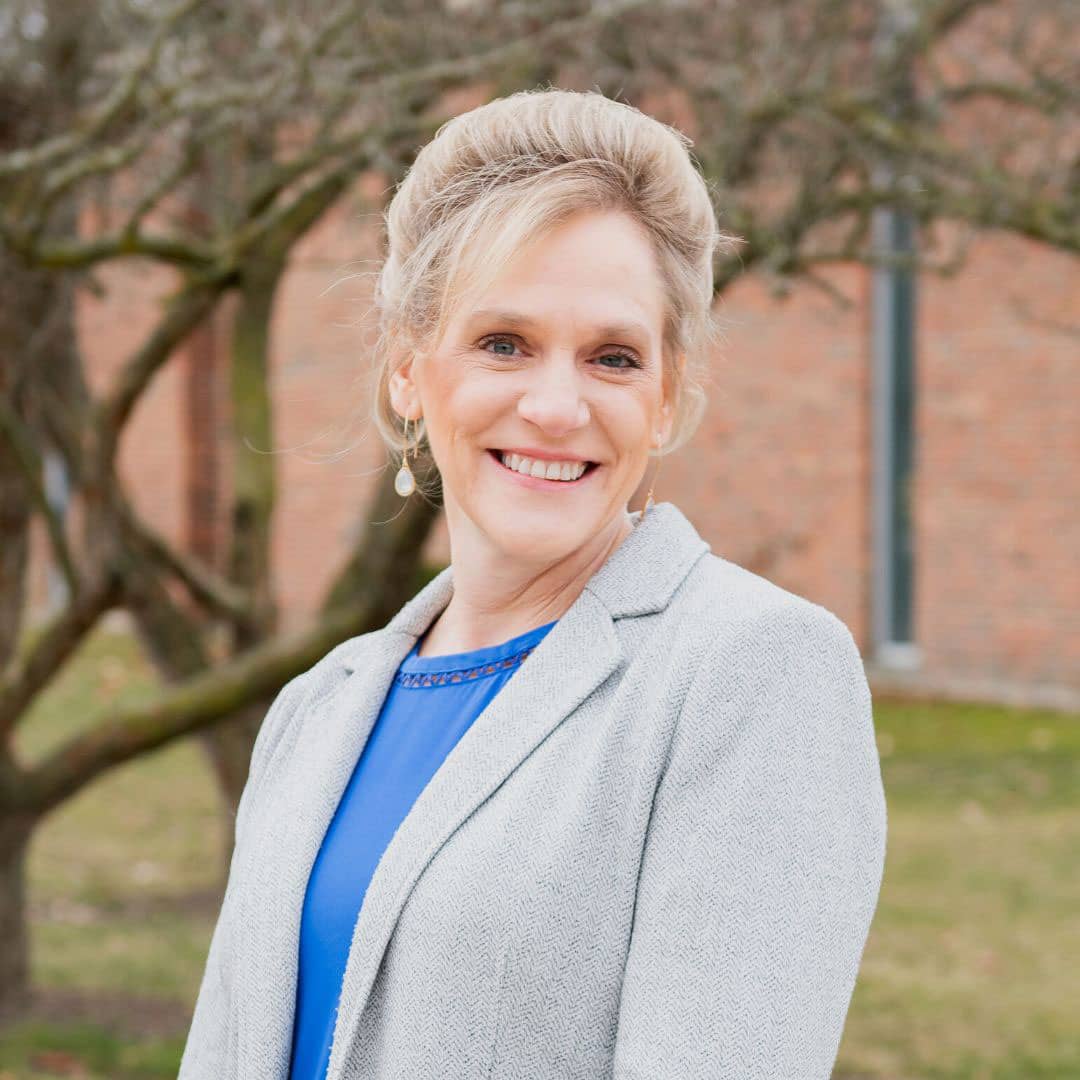
Angela Heaton, PT, MSEd

Dean, Health Sciences
Heaton.A@RhodesState.edu
(419) 995-8813

David Haus

Dean, Technology and Liberal Studies
Haus.D@RhodesState.edu
(419) 995-8422
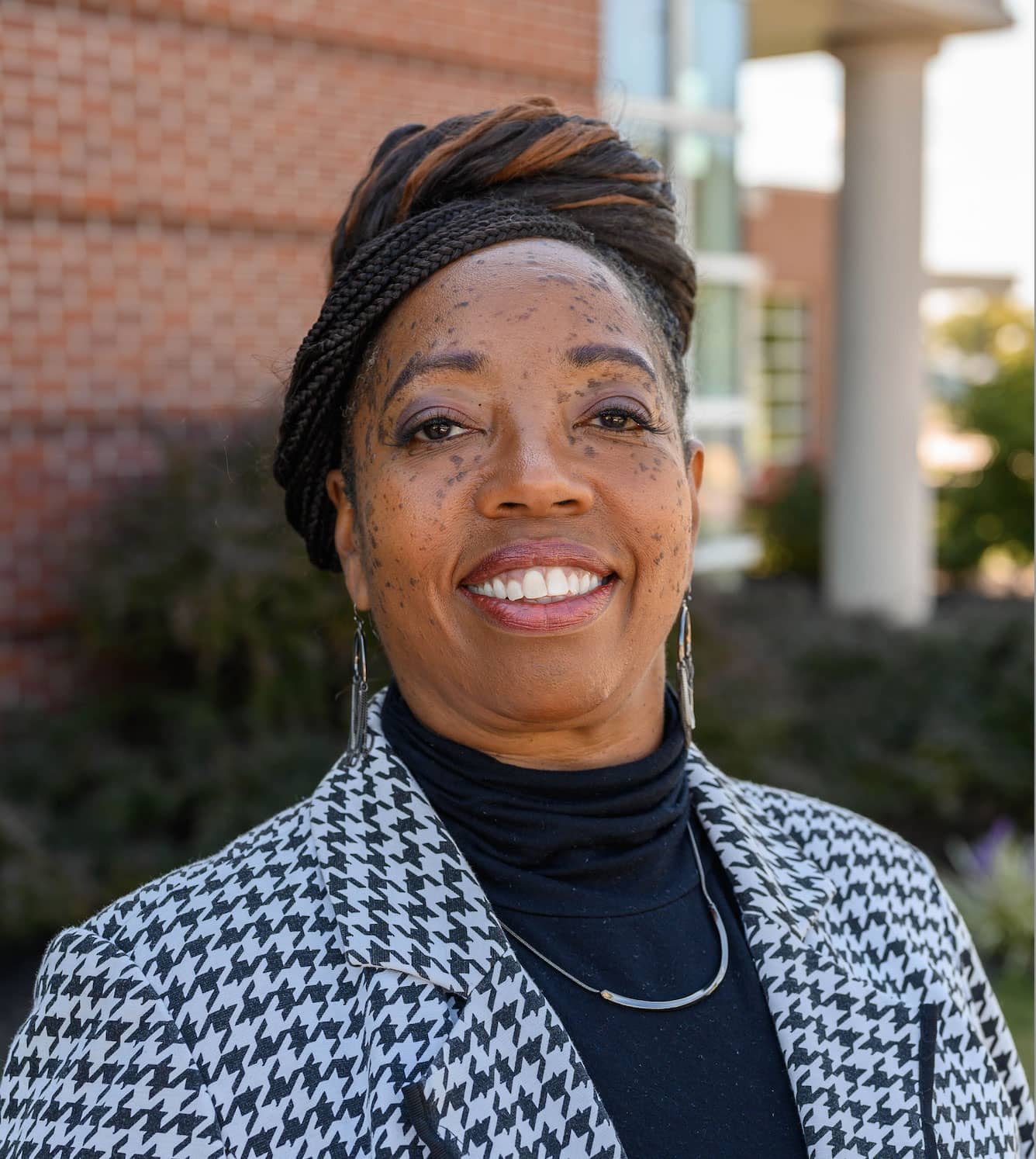
Lisa Bradley-Glenn, Ed.D, MBA

Assistant Vice President, Special Programs, Projects and Outreach
BradleyGlenn.L@RhodesState.edu
(419) 995-8357

MyRHODES